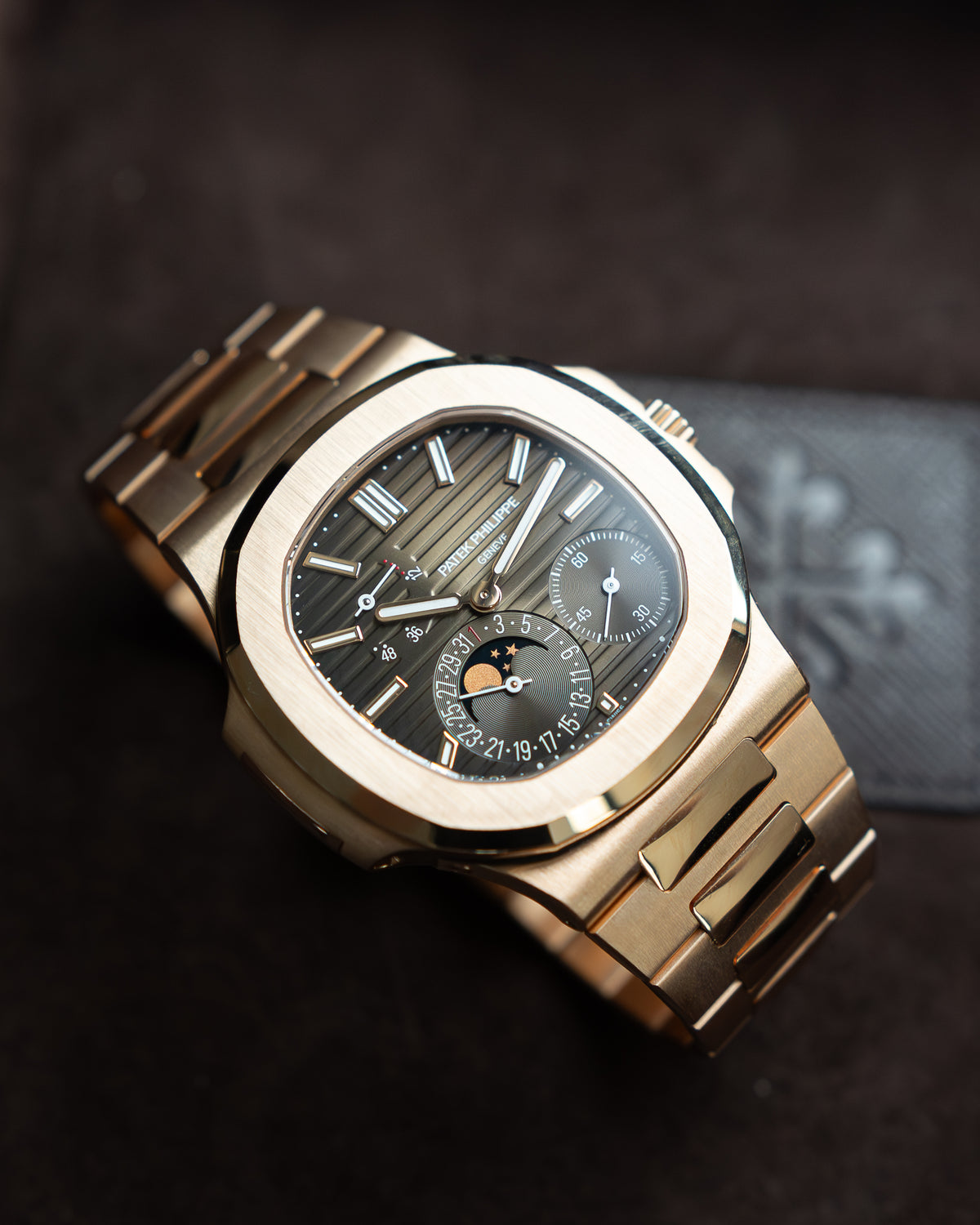
Luxury watch on the wrist: watch insurance at MWB Watches

Watch Insurance

Watch insurance for luxury watches

For watches that mean more than the time of day. What a dedicated policy provides, where home contents insurance can reach its limits, and how to set the sum insured correctly.

All-risks cover
Worldwide wear cover
Agreed values, not depreciated
25 % provision for rising values

The solution

Insurance with a feel for value

A valuable watch usually needs more protection than a standard home contents policy provides. Wearing it, travelling with it, an accidental knock, a loss: at exactly these points standard contracts can have gaps or low limits on the payout.

What sets it apart from a standard household policy

Any cause, not a named-perils list

Insured are destruction, damage, theft, loss and other disappearance from causes of any kind. It does not have to be one of a few named perils such as burglary or fire.

Worldwide wear cover

For wearing the watch and taking it along temporarily outside the agreed locations, worldwide cover can be arranged, subject to the sublimits set out in the policy.

Agreed values

For listed watches the insured value is fixed in advance. In a total loss or disappearance that figure is the basis of the settlement.

Provision for rising values

For increases in value and new acquisitions an automatic provision of 25 percent of the agreed sum insured is envisaged, provided the broker is informed by the end of the current period of insurance. New acquisitions can initially be covered automatically within this provision.

No excess on listed items

For individually listed valuables no excess is envisaged, unless agreed otherwise. For unlisted values a general excess can be agreed; the amount is shown in the quote and in the policy.

Personal claims support

All dealings with the insurer run through Douglas · Machat. Not an anonymous claims hotline but one contact, from the first report through to the payout.

Read more

A watch that matters is a timepiece, an asset, a collector item and often a memory. Together with Douglas · Machat & Cie. we offer cover built for high-value wristwatches, jewellery and collections grown over years.

Insurable items include

  • Exceptional luxury watches
  • Extensive watch collections
  • Jewellery and gemstones
  • Handbags
  • Collector cards
  • Gold, platinum and silver objects
  • Art and design pieces
  • High-value household contents
  • Buildings
  • Classic and collector cars
  • Other collector items

Sums insured, wear cover and security requirements are tailored to the actual value and to how you use the pieces.

Request a quote

Your details for the quote

In seven steps you record everything Douglas · Machat & Cie. needs for a quote, so there is no need for lengthy follow-up questions. Required fields are marked, everything else can also be sent later. At the end you will see a non-binding indicative premium.

Fields marked * are required.

Step 1

What would you like to insure?

A single watch or a whole collection, together with other valuables if you wish.

Step 2

Sums insured

You set the sums yourself. What counts is the current replacement value, not the price you paid.

For sought-after references the market value is often well above the former list price. Our MWB-CHECK certificate documents authenticity, condition and value.

The replacement value on Chrono24 or similar marketplaces is a good guide. Not everyone gets a second steel Daytona at list price.

Example: collection 500,000 €, wear cover 100,000 €. The whole collection is insured up to 500,000 €, and any one watch from it up to 100,000 € while it is worn or carried personally.

Step 3

About the watch or collection

Brand and model are enough to begin with. The serial number is needed at the latest when a claim arises.

Condition
Box and original papers available?
Invoice or proof of purchase available?

Optional. The list can also be drawn up together later.

Step 4

Location and storage

The safe grade and an alarm system determine the limits for keeping the watches at home.

Are there other regular locations, such as a second home or a bank safe deposit box?
How are the watches kept when they are not being worn?
Safe grade to EN 1143-1

The grade is shown on the rating plate, usually on the inside of the safe door.

If the safe grade is unknown, a photo of the rating plate helps. You can send it after submitting by email or WhatsApp; otherwise Douglas · Machat & Cie. will ask you for it.

Burglar alarm installed?
Is it connected to a security service, an alarm receiving centre or the police?

Step 5

Prior claims and existing insurance

Relating to the last five years.

Within the last five years, were there any damage, losses or thefts involving watches, jewellery or similar valuables?
Within the last five years, was such insurance cancelled, declined or only offered on special terms?
Is there any insurance cover in place at present?

Step 6

Policyholder

For the calculation Douglas · Machat & Cie. mainly needs the country and a way to reach you. The other details speed up the quote.

Are the insured watches also worn by another person?

Step 7

Start date and request

When you submit, your details go to MWB and from there to Douglas · Machat & Cie., who prepare the quote.

Non-binding indicative premium

Appears as soon as the sums insured in step 2 are filled in.

Non-binding indicative premium based on the premium rates of Douglas · Machat & Cie., subject to review and approval by the insurer. Insurance premium tax, minimum premiums and individual loadings or discounts (storage, security, prior claims) are not included.

Please note

The details in this form serve solely to record the risk data. They do not define the scope of cover. The insurance cover is determined exclusively by the policy issued afterwards, together with the terms and conditions stated in it.

Your data is transmitted encrypted and used solely to prepare the quote.

Guide

Home contents or watch insurance?

Where a standard policy can reach its limits and a dedicated one starts.

Criterion Home contents Watch policy
Cover away from home Limited, depends on the external cover in the contract Yes, as agreed worldwide wear cover
Valuables limit Often capped, usually at a share of the sum insured No flat cap, the agreed sum applies
Storage limits Own limits depending on the contract Limits per type of storage, set out in the policy
Settlement basis Depends on the contract Agreed value for listed watches
Robbery off the wrist Depends on the external cover Insurable within the wear cover
Accidental damage and breakage Often not insured Insurable
Simple loss Often not insured Insurable
Underinsurance Pro-rata reduction possible Waived
Excess Depends on the contract None for listed items, unless agreed otherwise

Simplified comparison. Home contents policies differ widely; what counts are the terms of your own contract. Swipe the table sideways to see all columns.

Three cases and who pays

The scenarios we hear most often when a customer calls after a loss.

Snatched off the wrist abroad

A steel sports model is torn off the wrist in a busy city centre while travelling. The watch is gone in seconds, there is no break-in and no locked room involved.

Home contents insurance: depends on the external cover in your contract, which often has limits of its own Dedicated watch policy: the agreed worldwide wear cover can apply, up to the limit set in the policy

Dropped, crystal and bezel damaged

The watch slips off a table onto a stone floor. Sapphire crystal cracked, bezel dented, movement needs a service. Nothing was stolen; this is pure damage.

Home contents insurance: often not; accidental damage is not an insured peril in many home contents policies Dedicated watch policy: sudden damage is insurable in principle, repair and restoration costs are covered

Burglary, several watches in the safe

Burglars force the flat and take a safe holding four watches with a combined value of 80,000 euros.

Home contents insurance: pays up to the agreed valuables and storage limits, which for high values are often not enough Dedicated watch policy: in principle pays the agreed value for listed watches, and the defence of underinsurance is waived
Detailed comparison and guide

Luxury watches are usually covered by home contents insurance, but with limits many owners are not aware of. Home contents policies often have their own limits for external cover, valuables and storage. Three points are worth checking in your own terms.

The first is the valuables limit. Many contracts limit jewellery and watches to a share of the sum insured or to fixed amounts, often differing by how they are kept. Anything above that is not insured.

The second is external cover. Away from home, cover usually only applies to a contractually limited extent, often restricted in time or amount, and not every peril is insured there. Wearing the watch in town, at the office or when travelling is covered more specifically by a watch or valuables policy with agreed wear cover.

The third is how the value is established after a loss. Without a value agreed in advance, the value has to be proven after the event, and settlement differs from contract to contract. For sought-after references from Rolex, Patek Philippe or Audemars Piguet, which often trade well above their former list price, this question decides whether you can actually buy the same watch again.

This is where trading knowledge beats insurance knowledge. We see what comparable references actually change hands for, every week, visible in our current stock. That figure is what belongs in the policy, not the price you paid five years ago. How it gets documented, and why a listed watch settles differently from an unlisted one, is further down this page.

What to look for when comparing

Agreed value

For valuable pieces the policy should fix the insured value in advance. That single clause decides whether you can actually buy the same reference again after a loss.

Wear cover

Check whether the watch is insured away from home, and in which countries. Without it the policy only works while the watch sits at home.

Safe and custody obligations

Above a certain sum insured a rated safe to EN 1143-1, a security grade or an alarm system can be required. Unrealistic obligations become a reason to reduce the payout.

Sublimits

The interesting numbers are rarely in the headline sum: hotel safes, vehicles and watches kept in the open each carry their own limit. Ask for them in writing.

Proof requirements

Ask what the insurer accepts as proof of value and ownership. Invoice, photographs, serial number and an independent certificate are the usual set.

Sum insured per piece and in total

For collections check both the cap per watch and the overall limit, and whether the defence of underinsurance is waived.

Damage does not happen in the safe.

The watch left on the bedside table of a hotel room after a swim. The fall from the washbasin onto a stone floor, two weeks after purchase. The wrist that was visible for too long in an unfamiliar city centre.

None of these happen at home. This is where the wear cover matters.

Where a dedicated policy has limits too

Hotel and room safes carry their own sublimit. A simple room safe usually has a lower limit than a rated safe. For theft from a vehicle, how it was locked and how the watch was kept are examined. Conditions and limits vary with the contract and the situation. Watches kept in the open or merely locked away carry lower limits than those in a rated safe.

What counts are the sublimits agreed in your policy. The points above describe the pattern, not your contract.

In detail

Cover in detail

In practice

What this means for real references

Four models we trade regularly, with a realistic market value next to the former list price. The difference is what is missing if you insure at the purchase price.

Rolex

Submariner Date 126610LN

Market value 12,000 €

List price 10,500 €

+ 1,500 € Above list price

Rolex

Cosmograph Daytona 116500LN

Market value 28,000 €

List price 14,800 €

+ 13,200 € Above list price

Audemars Piguet

Royal Oak 15500ST

Market value 35,000 €

List price 24,200 €

+ 10,800 € Above list price

Patek Philippe

Nautilus 5711/1A

Market value 90,000 €

List price 32,000 €

+ 58,000 € Above list price

Value list

Values that grow with your collection

Whether a watch is named individually in the policy decides what the settlement is based on when a claim arises.

Listed watch

Maker, model, reference number and an agreed insured value are recorded individually in the policy or value list.

In a total loss the agreed value is the basis of the settlement No excess envisaged for listed items, unless agreed otherwise

Unlisted watch

Insured within a shared sum insured, without being named individually.

Flexible, no individual notification needed The value has to be evidenced after the event

For particularly valuable or rare watches, listing them individually is therefore usually the better answer.

Agreed value

The amount fixed for a specific watch before the contract starts. If it disappears completely or is destroyed, that figure is the basis of the settlement, limited by the sums insured and sublimits agreed.

Not the purchase price

What matters is the amount needed to replace a watch of the same kind and quality at the time of valuation. For rare models the two can differ sharply.

25 percent provision

For increases in value and new acquisitions an automatic provision of 25 percent of the agreed sum insured is envisaged, so new acquisitions can initially be covered automatically. The broker has to be informed by the end of the current period of insurance.

Waiver of underinsurance

The insurer waives the defence of underinsurance, so a claim is not reduced merely because the collection is worth more in total than the sum insured. The agreed maximum payouts and sublimits still apply.

Cover for defective title

If a watch acquired after the contract started has to be handed back to its rightful owner, compensation can be provided for in accordance with the specific contractual terms, up to the agreed maximum. One condition is that the usual care was taken at purchase.

Family included

Further people can be named as insured persons, if necessary for an additional premium. The insurer waives recourse against the policyholder, family members and partners unless intent is proven.

The value list is our discipline

What the insurer asks for a listed watch (maker, model, reference and serial number, current value, photos, invoice) is exactly what the MWB-CHECK documents anyway. Every week we see what comparable references actually change hands for, visible in our current stock. That valuation is the basis for your value list, for settling a claim and for the day you want to sell the watch on consignment.

To the MWB-CHECK
Claims

When something has happened

The process from the first call to the payout and the documents needed along the way.

Step 1

Report the claim

Tell Douglas · Machat as soon as you reasonably can. The next steps are agreed with you from there.

Step 2

File a report

In case of theft, robbery or loss, report it to the police without delay. Do not alter a damaged watch before repair unless immediate action is needed to limit the damage.

Step 3

Gather the documents

Put together what evidences the course of events, the piece affected and its value. The list below covers what is usually asked for.

Step 4

Assessment

Damage can be assessed by a suitable expert, and you may bring in one of your own. The cost of an assessment commissioned by the insurer is borne by the insurer.

Step 5

Settlement

Once the claim has been established in principle and in amount and released by the insurer, settlement within seven working days is envisaged. If the released amount does not arrive in time, interest at the statutory default rate is provided for. Payment normally goes directly to the policyholder.

Documents in a claim

A description of how the damage occurred An extract from the value list showing which listed watch is affected Photographs of the damage Purchase receipt or invoice Certificate, warranty card or archive extract Reference and serial number A current proof of value Police report or loss notification Repair quote or statement from a specialist workshop

Only what is actually needed to assess the specific claim is requested.

Total loss

For a listed watch the agreed value is paid. For an unlisted one the settlement follows the evidenced replacement price of a watch of the same kind and quality. On full settlement, ownership of the damaged or recovered watch can pass to the insurer.

Repairable damage

The necessary repair and restoration costs are covered. If a demonstrable loss in value remains despite a proper repair, that can be taken into account as well. The total settlement is capped at the agreed value.

The watch turns up again

If full settlement has already been paid, the watch generally becomes the property of the insurer. You keep a contractual right to buy it back at the lower of the settlement paid or the market value at the time of recovery, exercisable within the period set out in the policy.

Additional costs

Alongside the loss itself, further necessary costs can be covered depending on the policy version, for instance limiting the damage, transport and storage, changing locks or travel to recover the piece. Scope and maximum amounts follow from the terms.

Contract

Contract and personal support

What the contract governs and what Douglas · Machat needs for a quote.

Excess

For individually listed valuables no excess is envisaged, unless agreed otherwise. For unlisted values a general excess can be agreed; the amount is shown in the quote and in the policy.

Cancellation

Under the intended contract design the policyholder can cancel on any day. The insurer can end the contract at the annual renewal date, observing the agreed notice period.

Your contact

All dealings with the insurer run through Douglas · Machat, from the first report through assessment to repair, replacement or payout.

What is needed for a quote

Maker and model Reference and serial number Purchase price or current value Purchase receipt or valuation Current photographs of the watch and all accessories Where it is usually kept Any safe and its security grade Whether worldwide wear cover is wanted Details of further watches or valuables

For larger collections a suitable structure for the value list, storage and wear cover is worked out together.

Start your request

FAQ

Frequently asked questions about watch insurance

Insurance with a feel for value

What does watch insurance cost?
There is no flat figure. The premium is calculated individually from the insured value, how the watch is kept, the wear cover you want, the security in place and your claims history, and minimum premiums can apply depending on the risk. You see a non-binding indicative premium at the end of our request form; a concrete quote, still non-binding, is prepared by Douglas · Machat & Cie.
Why does my watch need its own policy?
Because a valuable watch usually needs more protection than a standard household policy provides. Wearing it, travelling with it, accidental damage, a loss: at exactly these points standard contracts can have gaps or low limits on the payout.
Are watches covered by home contents insurance?
Usually yes, but with limits: home contents policies often have their own limits for valuables, external cover and storage. How high they are, and whether the watch is also covered away from home, is set out in your contract. For high-value watches these limits are often not enough.
Can you insure luxury watches?
Yes. Specialist watch and valuables policies are built for exactly this. Pre-owned watches are insurable too, and the current market value rather than the original invoice is what counts.
Which insurance covers watches?
Home contents insurance can cover watches within its valuables and external cover limits. If you wear a valuable watch regularly or own a collection, a dedicated watch or valuables policy with wear cover is usually the better fit.
Who is behind this solution?
Advice, mediation and ongoing support come from Douglas · Machat & Cie. GmbH, an independent insurance broker based in Vienna, specialised in high-value private assets. MWB puts you in touch and contributes the valuation; advice, mediation and ongoing support come from Douglas · Machat & Cie. The insurance contract itself is concluded between you as the policyholder and the insurer.
Who is it for?
For people who own an exceptional watch, and especially for collectors with several pieces. Alongside watches, jewellery and gemstones, handbags, collector cards, gold, platinum and silver objects, art and design pieces, classic cars and other collector items can be included.
What sets it apart from a standard household policy?
Instead of a standardised cover it is an all-risks concept: protection against damage, destruction, theft, loss and disappearance, worldwide wear cover, agreed values, provision for rising values, a waiver of underinsurance, no excess on listed items unless agreed otherwise, and personal support in a claim. What applies in your case is what the individual policy sets out.
Is watch insurance worth it?
Above all when you wear the watch away from home regularly, take it travelling or own several pieces. Check the valuables and external cover limits of your home contents policy first. If the watch almost always stays in the safe, an extension there can be enough.
What does it cost to insure a Rolex?
That depends above all on the current market value, which for sought-after references can be well above the former list price, and on the sum you want covered while wearing it. Enter the value and wear cover in our request form to see a non-binding indicative premium; the quote itself is prepared by Douglas · Machat & Cie.

What is covered

Which perils is my watch insured against?
Insured watches are covered in principle against destruction, damage, theft, loss and other disappearance from causes of any kind. It does not have to be one of a few named perils such as burglary or fire. Cover generally also applies to other sudden and unforeseen events, unless an express exclusion applies.
Is my watch insured if I lose it?
Yes. Loss and other disappearance can be covered. What matters is the agreed worldwide wear cover, how the watch was kept, and the sums insured and sublimits set out in the policy.
What happens if I drop my watch?
Sudden damage, for instance from a fall, is insurable in principle. That can cover the crystal, the case, the bracelet or the movement. Not insured are ordinary signs of use, age-related wear and damage arising purely from normal use.
Are my own mishaps covered?
In principle yes. Cover extends to unforeseen damage caused by clumsiness or negligence. Under the intended terms the insurer even waives the defence of gross negligence in causing the loss. Damage caused deliberately remains excluded.
Are technical defects covered?
Sudden and unforeseen technical or mechanical damage can be covered under the clause for technical defects. Not covered are ordinary wear, lack of servicing, faults already known, foreseeable age-related changes, and damage the manufacturer or supplier is legally or contractually responsible for. Whether a technical fault is covered is assessed from its specific cause.
Is my watch insured worldwide?
Yes. Worldwide cover can be arranged for wearing the watch and taking it along temporarily outside the agreed locations, subject to the sublimits and storage conditions set out in the policy. If a watch is kept permanently at a second residence, that address should be named in the policy.
What exactly does wear cover mean?
Wear cover applies when an insured person wears the watch as intended or carries it safely in personal custody in a suitable container, within their immediate control and accessible at any time. That can cover the watch at a restaurant, on a business trip, on holiday or at an event, up to the individually agreed limit.
Is the watch insured on holiday?
Yes, cover can extend worldwide while travelling. Different limits can apply depending on whether the watch is worn, carried personally or kept in a hotel or room safe. A simple room safe usually carries a lower limit than a rated safe.
Can I leave my watch in the hotel room?
In principle yes, provided it is kept securely in line with the contract. A separate sublimit is agreed for hotel and room safes. Valuable watches should not be left out in the open in a hotel room or simply in your luggage.
Is my watch insured in the car?
That depends on the situation and on what was agreed. Valuables should not be left visible or in an unlocked vehicle. For theft from a vehicle, how it was locked, how the watch was kept and the circumstances of the loss are examined. Conditions and limits vary with the contract and the situation.
Do I have to keep my watch in a safe at home?
That depends on the value of the watch or collection and on the sum insured you want. For higher values certain requirements can apply, for instance a rated safe to EN 1143-1, a particular resistance or security grade, an alarm system, or a connection to a monitoring service or the police. Which measures are required is settled transparently before the contract starts.
Is my watch insured outside the safe?
Yes, but watches kept in the open or merely locked away often carry lower limits than those in a rated safe. The limits can also depend on whether the location has an alarm system.
What is not covered?
An all-risks policy has limits too. Not covered are in particular deliberately caused damage, ordinary wear and age-related change, damage from normal use and consumption, gradual effects such as rust or oxidation, known pre-existing damage and its worsening, certain warranty and guarantee cases, official seizure, and war, nuclear and certain cyber risks. The full list of exclusions follows from the respective policy and the agreed terms.

Values that grow with your collection

What sum should I insure my watch for?
At the current replacement value, not at the purchase price. For sought-after sports references the market value is often above the former list price, so anyone insuring at what they paid ends up underinsured.
What is the difference between a listed and an unlisted watch?
A listed watch is recorded individually in the policy or value list with maker, model, reference number and a specific insured value. In a total loss that agreed value is in principle the basis of the settlement. An unlisted watch is insured within a shared sum insured, but its value has to be evidenced with suitable documents when a claim arises. For particularly valuable or rare watches, listing them individually is therefore usually worthwhile.
What does agreed value mean?
The agreed value is the amount fixed for a specific watch before the contract starts. If the watch disappears completely or is destroyed, that amount is in principle the basis of the settlement, limited by the sums insured and sublimits agreed. It creates clarity in particular for rare, discontinued or appreciating models.
Does the insured value have to match the purchase price?
No. The original purchase price and the current replacement or market value can differ considerably. What matters is the amount that would be needed to replace a watch of the same kind and quality at the time of valuation. For rare models a current valuation can therefore make sense.
What happens if my watch rises in value?
For increases in value and new acquisitions an automatic provision of 25 percent of the agreed sum insured is envisaged. The condition is that Douglas · Machat is informed of the increase or the new purchase by the end of the current period of insurance. That is a valuable buffer, but keeping the value list current still matters.
Is a newly bought watch covered too?
New acquisitions can initially be covered automatically within the agreed 25 percent provision. The new watch should still be reported as early as possible. Valuable individual pieces are then added to the contract with their value and the required details.
What does waiver of underinsurance mean?
The insurer waives the defence of underinsurance. A claim is therefore not reduced pro rata merely because the total value of the insured collection is arithmetically higher than the agreed overall sum insured. The maximum payouts and sublimits agreed in the policy still apply.
What if the seller was not the rightful owner?
For such cases the insurance can provide cover for defective title. If a watch acquired after the contract started has to be handed over to its rightful owner, compensation follows the specific contractual terms, up to the agreed maximum. One condition is that the usual care was taken at purchase. This is of particular interest to collectors buying on the international secondary market.
Can I insure several watches together?
Yes. Individual watches can be listed with agreed values and supplemented by a shared sum insured for further pieces that are not named individually. For larger collections, storage, wear risk and limits are structured individually.
Can family members be insured too?
Yes. Further people can be named expressly as insured persons in the policy, if necessary for an additional premium. That makes sense when spouses, partners or other family members wear watches or jewellery from a shared collection. If a family member causes damage accidentally, the insurer in principle waives recourse unless intent is proven.
Can I insure jewellery and other valuables as well?
Yes, cover can go well beyond wristwatches. Insurable are in particular jewellery, gems, gemstones, pearls, gold, platinum and silver objects, coins, medals, stamps and other high-value collector items. Depending on need, valuable handbags, historic luggage, cameras, wines, firearms and other special objects can be included.

When something has happened

What do I have to do when a claim arises?
Inform Douglas · Machat about the damage as quickly as you reasonably can. In case of theft, robbery or loss a police report should also be filed without delay. Damaged watches should not be altered before repair unless immediate action is needed to limit the damage. The next steps are then agreed with you.
What proof do I need when I make a claim?
Depending on the case the following can be needed: a description of how the damage occurred, an extract from the value list showing which listed watch is affected, photographs of the damage, purchase receipt or invoice, certificate, warranty card or archive extract, reference and serial number, a current proof of value, the police report or loss notification, and a repair quote or a statement from a specialist workshop. Only the documents actually needed to assess your specific claim are requested.
What do I get in a total loss?
For a listed watch the value agreed in advance is in principle paid. For an unlisted watch the settlement follows the evidenced replacement price of a watch of the same kind and quality. The maximum payouts agreed in the contract remain decisive. On full settlement, ownership of the damaged or recovered watch can pass to the insurer.
What happens with repairable damage?
For an insured partial loss the necessary repair and restoration costs are covered. If a demonstrable loss in value remains despite a proper repair, that can be taken into account as well. The total settlement is capped at the agreed value or the relevant replacement value.
Can I bring in my own expert?
Yes. Damage can be assessed by a suitable expert, and the policyholder is entitled to bring in one of their own. The cost of an assessment commissioned by the insurer is borne by the insurer.
How quickly is a claim paid out?
Once the claim has been finally established in principle and in amount and released by the insurer, settlement within seven working days is envisaged. If the released amount does not arrive within that period, the terms provide for interest at the statutory default rate.
Who is the settlement paid to?
Payment is normally made directly to the policyholder. On request, payment to another insured person or an entitled third party can be agreed in an individual case.
What if a stolen watch turns up later?
If full settlement has already been paid, the recovered watch generally becomes the property of the insurer. The original owner keeps a contractual right to buy it back. The price is the lower of the settlement paid or the reasonable market value at the time of recovery. The period within which this right can be exercised is set out in the policy.
Are additional costs covered too?
In an insured claim, further necessary costs can be covered alongside the loss itself depending on the policy version, for instance limiting the damage and securing the property, transport and interim storage, changing locks or travel to recover the piece. Scope and maximum amounts per type of cost follow from the terms.

Contract and personal support

Is there an excess?
For listed valuables no excess is envisaged in the solution offered, unless agreed otherwise. For unlisted values a general excess can be agreed, and the amount is shown in the quote and in the policy.
Can I cancel the contract?
Yes. Under the intended contract design the policyholder can cancel on any day. The insurer can end the contract at the annual renewal date, observing the agreed notice period.
What is needed for a quote?
For an initial assessment the following are usually helpful: maker and model, reference and serial number, purchase price or current value, purchase receipt or valuation, current photographs of the watch and all accessories, where it is usually kept, any safe and its security grade, whether worldwide wear cover is wanted, and details of further watches or valuables. For larger collections a suitable structure for the value list, storage and wear risk is worked out together.
Who supports me when something happens?
Your contact stays Douglas · Machat. All dealings with the insurer run exclusively through them, which means personal support instead of an anonymous claims hotline, from the first report through assessment to repair, replacement or payout.
What should I look for when comparing policies?
Five points: settlement at a value agreed in advance, wear cover for taking the watch out and about, realistic safe and custody obligations, the sublimits for hotel safes, vehicles and open storage, and whether the defence of underinsurance is waived.

Time for the right cover

Whether a first luxury watch, a rare collector piece or a collection built over years: the solution is tailored to your values, how they are kept and how you wear them. If you first want to know what your watch is worth today, we establish that in the MWB-CHECK.